
Wordington Solitaire
Qiiwi Games ABWord
4.4278.00 Reviews
- Version
- 1.5.2
- Installs
- 100.00K
- Age Rating
- Everyone
Screenshots

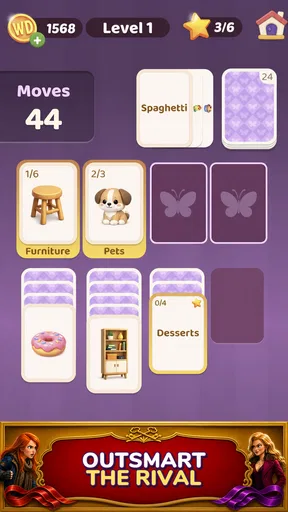

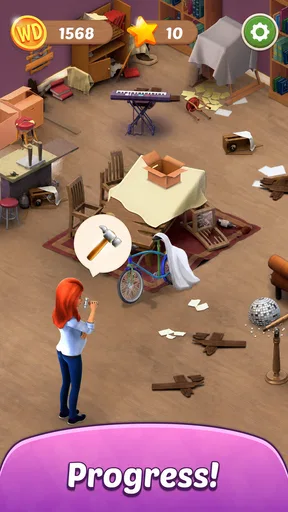
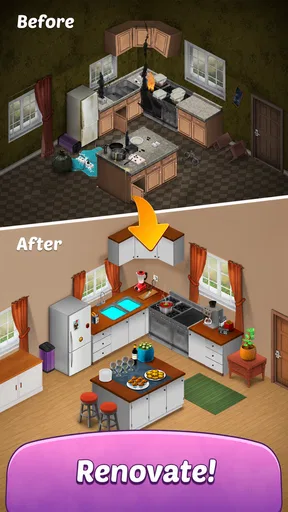
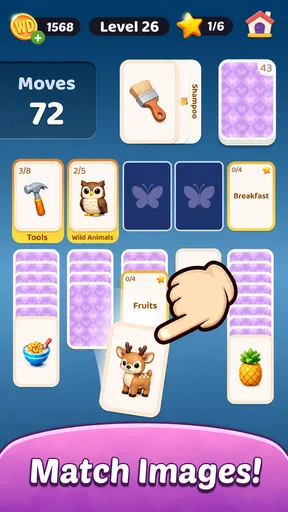
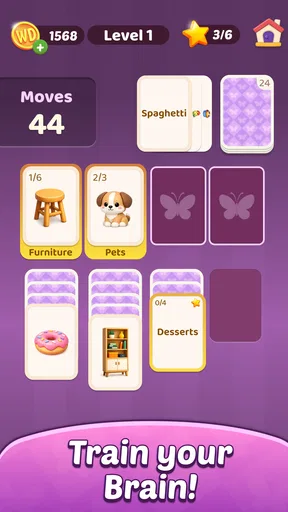
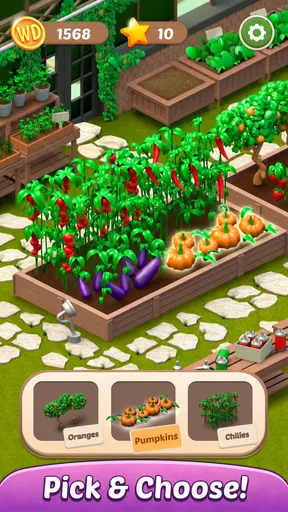
Our Review of Wordington Solitaire
 Analysis by Appyee
Wordington Solitaire is the kind of word game I can imagine opening when I want something calm but still mentally active. It combines solitaire levels with a home-rebuilding setting, so each round has a small puzzle attached to a visible sense of progress. That combination gives the game a more settled identity than a plain card title, although it also means the experience depends on whether you enjoy decorating and restoring a fictional space as much as solving cards.
I reviewed it as a free word game from Qiiwi Games AB, and my first impression is that it is designed around short, repeatable sessions rather than intense competition. The game is rated Everyone, which makes it approachable for a broad audience, and it runs on Android 8.0 or later. Its current version is 1.4.0, while the store summary captures the central loop neatly: solve solitaire levels and rebuild a dream home.
How the first few levels establish the mood
The opening idea is easy to understand. You play solitaire-style levels, then use the sense of accomplishment from those wins to move forward with the home project. I like that the setting gives the card play a reason to exist. Instead of completing one round and immediately forgetting it, I have a visual project waiting on the other side.
That structure also makes the game easy to recommend to someone who does not usually choose traditional word games. A pure word puzzle can feel abstract, while a standard solitaire app can feel interchangeable. Here, the home provides a gentle narrative frame. You are not simply clearing cards; you are gradually shaping a place that represents progress.
The game’s presentation works best when it stays restrained. A home-restoration theme naturally suggests warmth, comfort, and gradual improvement. That gives each completed level a softer emotional payoff than a bare score screen. I found the concept most appealing during quiet moments: a short break after work, a few minutes on a sofa, or a low-pressure session before bed.
There is a practical advantage to this format. Because the main activity is divided into individual levels, I do not need to reserve a long uninterrupted period for it. I can play one round, stop, and return later without losing the basic thread of what I am doing. That makes it more suitable for fragmented daily time than games built around long missions or demanding multiplayer matches.
At the same time, the home-rebuilding layer will not automatically make every solitaire round feel fresh. If your main interest is fast card play, you may see the restoration scenes as an extra step between levels. My advice is to treat the setting as part of the reward loop rather than as a separate story game. The game makes more sense when those two parts are enjoyed together.
A setting that speaks through restoration
The strongest artistic choice is the use of a dream home as the game’s visual language. Restoration is a useful metaphor for a casual game because it turns small actions into visible change. A single completed level may be modest, but repeated progress suggests that the larger space is becoming more complete.
That approach creates a clear contrast with word games that rely only on letters, grids, or score multipliers. In those alternatives, the reward is often a number or a streak. Wordington Solitaire gives the reward a place in the world. Even if the card mechanics remain familiar, the surrounding context helps the session feel like part of an ongoing project.
I also think the home theme sets a useful expectation about pace. It implies patience rather than urgency. You are restoring something over time, not racing through a dangerous environment or competing for a leaderboard position. That makes the game’s identity coherent: the visual setting, the solitaire format, and the casual progression all point toward the same relaxed mood.
There is a trade-off here. A restoration setting can make progress feel meaningful, but it can also make repetition more noticeable if the underlying levels begin to feel too similar. The art direction can soften that sensation, yet it cannot replace variety in the card challenges. Players who need constant mechanical novelty may eventually prefer a more varied puzzle collection.
For me, the setting is most effective when I approach the game as a small daily ritual. I might play while waiting for an appointment, finish a level during a lunch break, and return later when I have enough attention for another round. The home acts as a quiet reminder of continuity, without requiring me to follow a complicated plot.
Visual language and the feeling of a lived-in goal
The phrase “dream home” could easily become a generic backdrop, but it gives the game a useful emotional direction. The player is working toward comfort and improvement, not destruction or conquest. That matters because the card activity can otherwise feel detached from the rest of the experience.
I would not choose this game for visual spectacle. Its appeal is more about consistency than surprise. The best version of this kind of presentation is one where the colors, spaces, and restoration choices reinforce the idea that each win contributes to a calmer, more personal environment. That is a narrower goal than delivering dramatic action, but it suits the game’s category.
One subtle benefit is that the setting can make a failed or difficult level feel less punishing. When the overall mood is domestic and unhurried, a setback feels like a pause in the project rather than a major defeat. That is useful for players who enjoy puzzles but dislike aggressive failure screens or pressure-heavy systems.
Sound, rhythm, and the pace of a session
Sound is especially important in a casual solitaire game because the player may spend more time repeating familiar actions than discovering new mechanics. A coherent audio mood should support concentration rather than compete with it. In my experience, this type of game works best when sound reinforces the home setting and lets the card interactions remain readable.
The pacing follows the same principle. A good round should feel complete without becoming a commitment. Wordington Solitaire is better suited to measured play than to frantic tapping. That makes it a comfortable choice for winding down, but less attractive if you want the constant escalation found in arcade games or action puzzlers.
I see the rhythm as a conversation between two tempos. The solitaire level provides the immediate rhythm: inspect the available cards, make a move, look for the next option, and try to finish the layout. The restoration progression supplies the slower rhythm: complete enough levels, then see the broader home project advance. Those two time scales are what give the game its identity.
This structure also affects how I would use it with sound enabled. During a focused session, audio can help make the game feel more complete. During public transport or a shared room, I would be comfortable treating it as a mostly visual experience and concentrating on the cards and progress. The game’s core appeal does not depend on a dramatic soundtrack or constant spoken guidance.
The limitation is that a calm rhythm can become too gentle for players who need immediate stimulation. If you prefer rapid rewards, complex chains, or a strong competitive pulse, the home atmosphere may feel slow rather than relaxing. That is not a flaw in the concept, but it is an important fit question before installing it.
Why the pacing suits everyday play
One realistic use case is a short evening session when I want to put down social media without starting a large game. I can enter a level, focus on the available moves, and leave after a contained activity. The restoration goal gives me a reason to return the next day, while the solitaire format keeps the mental demand manageable.
Another use case is playing while waiting, provided I am not in a situation where I need to react instantly to something around me. The game is more appropriate for a quiet queue or a relaxed break than for moments when my attention is constantly being interrupted. Solitaire requires enough concentration to notice possible moves, and careless interruptions can make a simple level feel unnecessarily frustrating.
I would also suggest using the game as a wind-down rather than as a productivity tool. It can occupy the mind, but it does not turn a session into learning or planning. Someone looking for vocabulary training, a deep strategy challenge, or a competitive card environment should choose a more specialized alternative.
Where the solitaire and home systems fit together
The central mechanical appeal comes from the connection between familiar card solving and a longer-term rebuilding objective. That connection is more approachable than asking the player to learn an entirely new puzzle system. If you already understand solitaire, the basic activity should feel immediately legible; if you do not, the home project gives you a reason to learn rather than abandoning the game after the first round.
What makes the combination useful is the separation between immediate decisions and long-term motivation. The cards ask what move I should make now, while the home asks why I should complete another level. Good casual design often depends on that distinction. Without the larger goal, individual rounds can blur together; without the short rounds, the home project would not have a satisfying action attached to it.
My main tip is to avoid treating every level as a test of speed. The value of the format is in careful observation. Before tapping quickly, I would scan the available moves and consider which card will reveal the most useful option. That habit matters more than rushing, especially when the board presents several plausible choices.
A second practical tip is to use the restoration progress as a stopping point. Rather than continuing until the game becomes tiring, I would finish a level or a meaningful home step and then take a break. This keeps the calm tone intact and prevents the reward loop from turning into aimless repetition.
A third insight is that the game’s strongest audience is not necessarily expert solitaire players. Experienced players may find the card rules familiar and judge the title mainly by how well the home progression sustains interest. Newer or more casual players may appreciate the opposite: the familiar home goal can make learning the card flow feel less intimidating.
The free price makes it easy to try, but the game includes in-app purchases ranging from $0.99 to $99.99 per item. I would approach those purchases carefully and decide in advance whether I am happy to play at the free pace. The large gap between the smallest and largest listed item means different spending options exist, so players who prefer a completely controlled budget should avoid making impulse purchases during a frustrating level.
This is also where the game differs from a traditional standalone solitaire app. A basic solitaire alternative may offer a cleaner, more focused card experience with fewer distractions. Wordington Solitaire is the better choice if the home project adds motivation for you. If you only want efficient card practice, the extra progression layer may feel unnecessary.
Compared with a pure word puzzle, the title offers a different kind of mental activity. It belongs to the word-game space, but its appeal is not based on building vocabulary or finding hidden spellings. I would not install it expecting the benefits of a crossword, an anagram challenge, or a spelling trainer. Its identity comes from the blend of solitaire decisions and home restoration.
The game is also less suitable for players who want a deep narrative. The home setting creates atmosphere and direction, but I would approach it primarily as a casual puzzle loop with a pleasant theme. For a story-first experience, a dedicated adventure game would likely provide stronger character development and plot momentum.
Who should install it and who should pass
I think Wordington Solitaire is a good match for players who enjoy gentle progression, familiar card rules, and a visual project that develops over time. It is particularly suitable for people who prefer short sessions and want something more purposeful than endlessly replaying an isolated solitaire layout.
It may also suit families looking for an accessible casual game, since its Everyone age rating keeps the intended audience broad. Still, I would explain the purchase options before handing a device to a child, especially if the account allows transactions. The game is free to start, but free access and optional spending should not be treated as the same thing.
I would skip it if my priority were competitive ranking, fast action, advanced wordplay, or a large strategic system. I would also pass if I disliked restoration themes or found decorative progression distracting. In those cases, a focused solitaire app or a dedicated word puzzle would better match the reason for playing.
The title has attracted an average rating of 4.4 from around 1.5 thousand ratings, with over 100 thousand installs. Those figures suggest that the approachable combination has found an audience, but they do not change the personal fit question. A popular casual format can still feel repetitive to someone who wants constant novelty.
My atmosphere verdict after looking beyond the card table
What I appreciate most is the coherence between the game’s setting and its pace. The home-rebuilding idea encourages a warm, gradual mood, while solitaire supplies enough structure to keep the player engaged. The art direction does not need to shout for attention; its job is to make completion feel like improvement. The sound and rhythm support that same goal when they remain unobtrusive.
The experience is not designed to replace every other word or card game. Its value comes from the specific blend. If I want to relax with a small objective in front of me, the home gives the session more personality than a plain card table. If I want a demanding puzzle, a fast challenge, or genuine vocabulary practice, I would choose something else.
Qiiwi Games AB has positioned the game as an accessible free title rather than a specialist solitaire simulator. The current version, 1.4.0, is a sensible starting point for someone curious about the format, and the Android requirement of 8.0 or later keeps it available to many existing devices. I would still check that my play habits fit the purchase model before spending anything.
My final recommendation is straightforward: try it if you want a calm card routine with a visible home project attached. Play slowly, use the restoration milestones as natural breaks, and judge the game by whether that combination keeps you interested after the novelty of the first levels fades. The real strength is not either system alone, but the way the home setting gives familiar solitaire a reason to continue.
For me, Wordington Solitaire works best as a quiet companion rather than a game demanding all of my attention. It creates a coherent playable mood, keeps the mechanics understandable, and offers enough long-term direction to make short sessions feel connected. Its limitations are equally clear: the pace is gentle, the card activity may feel familiar, and the purchase range deserves restraint. If those trade-offs sound acceptable, it is an easy free game to add to a casual rotation.
Privacy and Permissions
See what permissions an app requests and how it handles your data.
- Wi-Fi connection information
- view Wi-Fi connections
- Other
- view network connections, full network access, control vibration, prevent device from sleeping, Google Play license check
Verdict
Strengths of Wordington Solitaire
- Relaxing solitaire gameplay with a light renovation storyline
- Simple controls make it easy to play on phones and tablets
- Story progression gives each completed deal a clear purpose
- Short levels fit well into quick gaming sessions
- Charming characters add personality beyond standard card games
Limitations of Wordington Solitaire
- Some deals may feel repetitive after extended play
- Progress can depend heavily on completing solitaire hands
- Limited variety for players seeking deeper card mechanics
- Extra rewards may encourage frequent ad viewing
- The narrative may feel lightweight for story-focused players
Other Releases by Qiiwi Games AB
View All
Backpacker™ Travel Quiz Trivia
Trivia4.1

Backpacker™ Go!
Trivia4.2
Similar Picks in This Category
View All
Word Search - Word Puzzle Game
Bluetile4.8

Word Search Quest - Puzzles
Blackout Lab4.8

CodyCross: Crossword Puzzles
Fanatee, Inc.4.7

Words of Wonders: Crossword
Fugo Games4.9

Wordscapes: Word puzzle game
PeopleFun4.7

Word Search Explorer
PlaySimple Games4.9
Frequently Asked Questions
What is Wordington Solitaire and how do you play it?
Wordington Solitaire combines classic solitaire card gameplay with word puzzles and a light renovation story. You typically complete solitaire-style rounds to earn progress, then solve or arrange words to advance through the narrative and improve different areas. The game is designed for casual sessions, with simple touch controls, gradually increasing challenges, and a progression system that rewards regular play.
Is Wordington Solitaire free to download and play?
Wordington Solitaire is generally free to download, but it may include optional in-app purchases. These purchases can provide extra resources, additional lives, boosters, or other conveniences that help you progress more quickly. You can usually play without spending money, although some players may encounter waiting periods, limited attempts, or more difficult stages that encourage optional purchases.
Can I play Wordington Solitaire offline?
Some parts of Wordington Solitaire may remain available without an internet connection, particularly basic gameplay that has already been loaded on your device. However, online access may be required for advertisements, purchases, updates, cloud features, event content, or synchronizing progress. Offline availability can also vary depending on the device and version, so it is best to launch the game online before traveling.
Does Wordington Solitaire contain advertisements?
Yes, players should expect advertising in the free version of Wordington Solitaire. Ads may appear between rounds or be offered as an optional way to receive extra rewards, such as additional moves, lives, or helpful bonuses. Their frequency can vary as you progress. If you prefer uninterrupted play, check whether the current version provides an ad-removal purchase or similar option.
Is Wordington Solitaire suitable for children and casual players?
Wordington Solitaire is aimed primarily at casual players who enjoy card games, word challenges, and story-based progression. Its controls are easy to learn, but the presence of advertisements, optional purchases, and the age rating shown in your app store should be considered before allowing children to play. Parents should also review purchase settings and privacy permissions, especially on shared devices.
Play our best games!


